
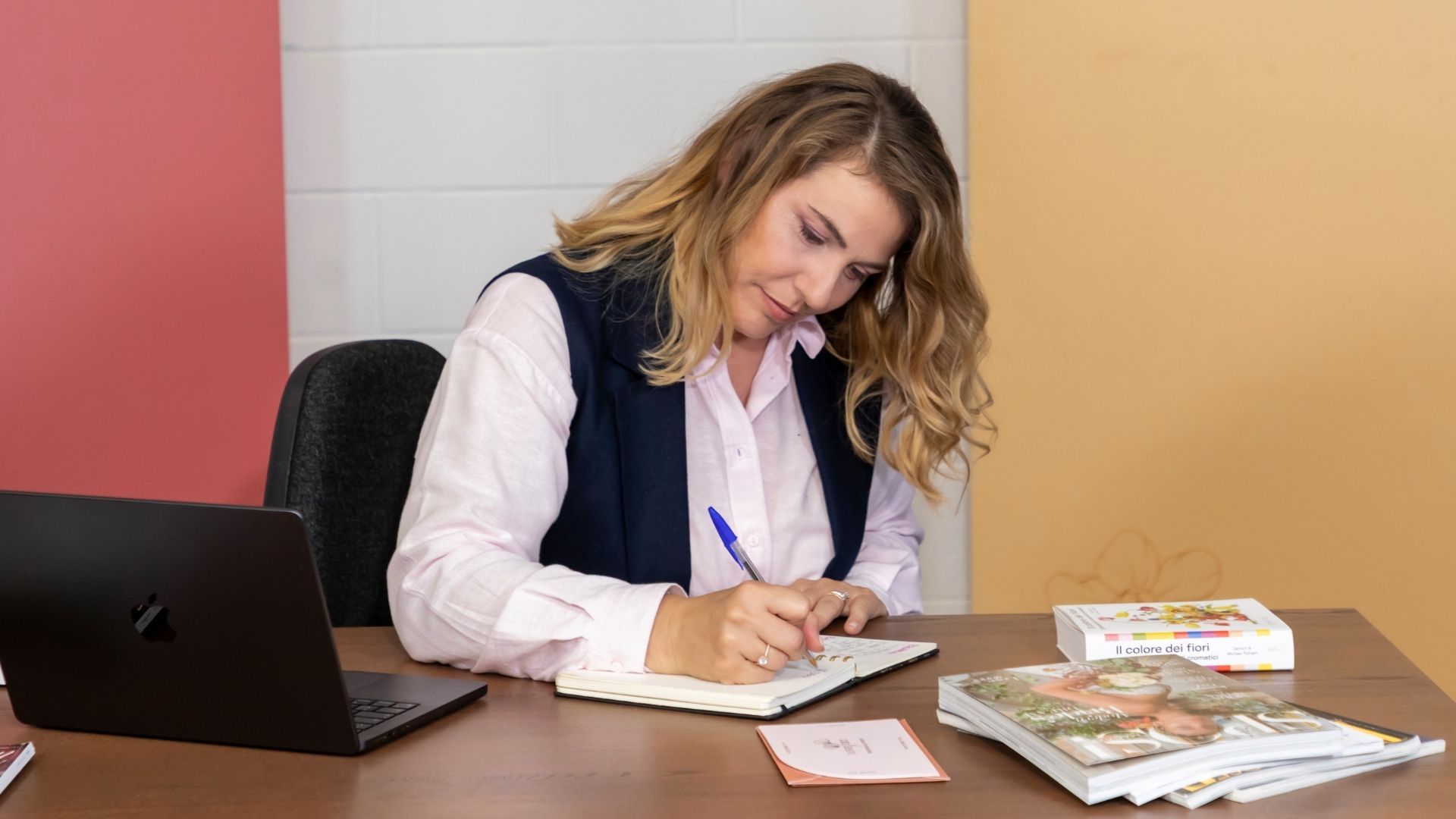
What does a wedding planner do? Role, responsibilities and benefits
Couples who have never planned a wedding often imagine a wedding planner as someone who “helps with suppliers” or “coordinates the day”. That is true, but it is only part of the work. A full-service wedding planner enters much earlier: when the couple still has open questions, scattered ideas, practical concerns and the desire to create a beautiful wedding without being overwhelmed by it.
Her role is not to replace the couple, but to protect them from chaos. She helps turn a desire into a project, a project into an operational plan, and that plan into an experience that can be lived with calm.
In an evolved planning journey, the wedding planner is not only an organisational figure. She is a guide, a director, a mediator, a guardian of the vision and, above all, a reliable presence who holds together aesthetics, timing, budget, suppliers and people.
A wedding planner helps you understand where to start
At the beginning, many couples do not know exactly what they want. They know they want an elegant, personal and non-generic wedding. They may have seen venues, saved images, spoken to friends and received advice. But everything feels fragmented.
An experienced wedding planner helps create order. Before any supplier list, she listens to the couple, understands priorities and values, identifies what is essential and what can wait. This first step is crucial because it prevents rushed decisions that may affect the whole project.
The question is not only “What do we need to do?”. It is “What kind of wedding truly makes sense for you?”.

She defines direction and protects coherence
A wedding is not a sum of services purchased separately. It is a complex system in which every element influences the others: venue, budget, guests, style, catering, logistics, timing, music, flowers, lighting, photography, transport and backup plans.
The wedding planner helps build a coherent direction. If the journey also includes wedding design, this direction concerns not only organisation but also the aesthetic and sensory identity of the wedding. The result is an event in which decisions do not feel random, but connected.
This coherence is especially important for couples seeking a bespoke wedding: not a familiar format, but an experience built around their story.
Choose the right service for your wedding
Choose the right service for your wedding

She researches and selects the right suppliers
One of the most delicate responsibilities of a wedding planner is supplier selection. It is not simply about finding talented professionals, but about choosing those who are right for the project, the budget, the venue, the style and the couple’s way of working.
An excellent floral designer may not be the right one for every atmosphere. A highly scenic photographer may not suit a couple who wants discretion. A musician, caterer or lighting designer must be evaluated not only for quality, but for coherence.
The wedding planner understands technical language, reads proposals and conditions, compares offers, flags potential issues, coordinates communications and reduces the risk of decisions based only on the emotion of the moment.
She manages budget, timing and priorities
A wedding budget is not a static number. It is a continuous balance between desires, priorities and reality. Without guidance, it is easy to invest heavily in visible but secondary details and later discover that important areas have been underestimated.
The wedding planner helps distribute the budget intelligently. She keeps track of deadlines, organises phases, reminds the couple of decisions to be made, anticipates problems and keeps the project moving.
This does not remove spontaneity from the journey. It creates a structure that allows the couple to experience the preparation with more serenity.
She coordinates the wedding day
The wedding day is when months of work must become reality without weighing on the couple. The wedding planner coordinates arrivals, suppliers, timing, installations, ceremony, reception, possible changes, unexpected issues and details that often remain invisible to guests.
Her aim is for the couple not to have to check anything. They should not wonder whether the seating chart has been placed, whether the caterer has received the latest update, whether the musician knows when to start, whether the photographer knows the key moments, or whether the backup plan is ready.
When direction works, the couple does not see it. They feel it as lightness.
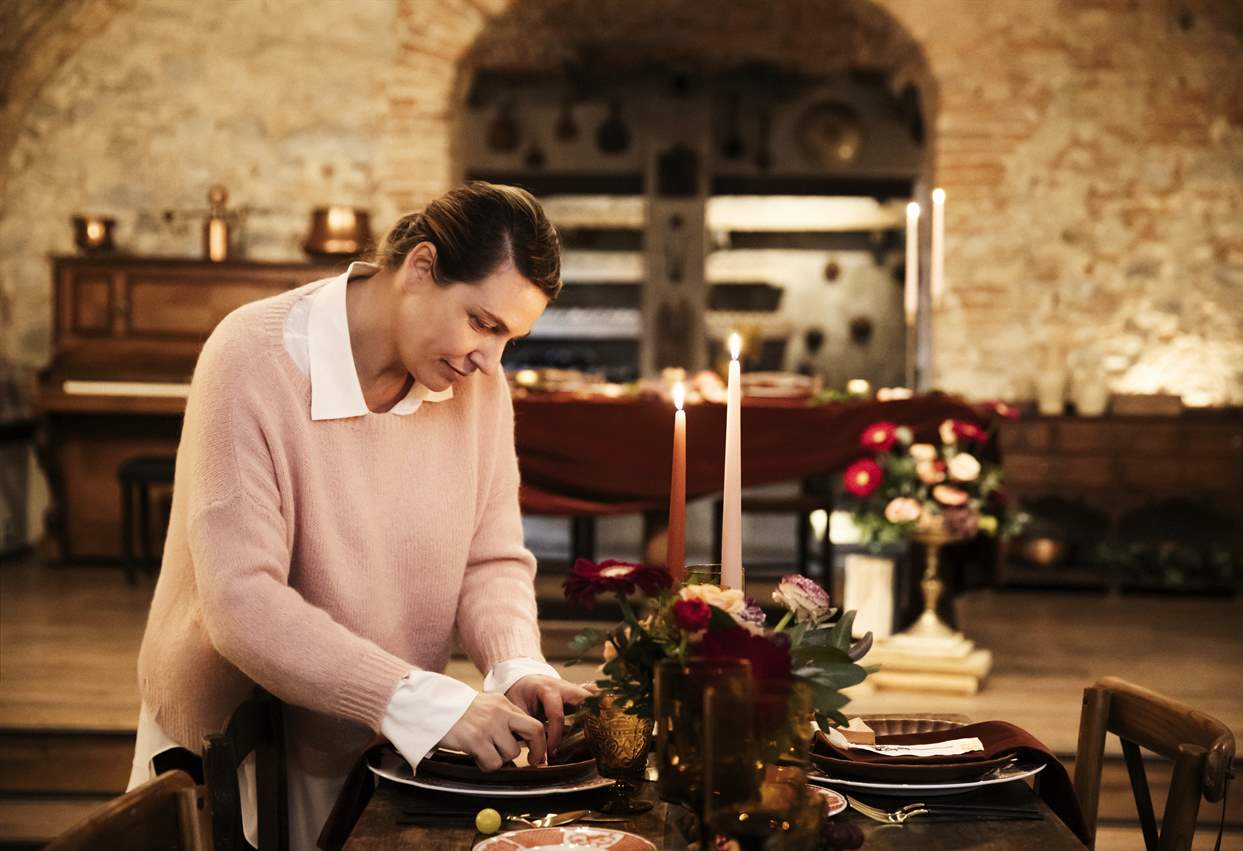
What a wedding planner should not do
A wedding planner should not impose her taste, replace the couple’s personality with a recognisable format, push suppliers out of habit or turn every choice into an automatic decision. Her role is to guide, not to standardise.
This is why it is important to choose a professional with a clear method and shared values. The relationship with the wedding planner lasts for months and includes practical, emotional and financial decisions. Trust is not a detail.
When to involve a wedding planner
The best time is before the major decisions: before signing with the venue, before confirming key suppliers, before building a definitive budget. Involving her early helps avoid costly mistakes and set the journey with clarity.
That said, a planner can also be useful later, especially when the couple realises they need coordination, project review or operational support.
Who full wedding planning is for
Full wedding planning is ideal for couples who want to be accompanied from beginning to end. It is suited to those who have limited time, live far from the wedding destination, want a curated event without managing every detail, or need guidance in choosing venue, suppliers, style and priorities.
It is particularly valuable when the wedding needs to be not only well organised, but also personal, elegant and coherent.
Conclusion
A wedding planner is not useful only because she reduces effort. She helps couples make better decisions, protect the vision, manage complexity and create the conditions for the wedding day to be truly lived.
F.A.Q.
Does a wedding planner choose everything instead of the couple?
No. A good wedding planner guides decisions, proposes coherent solutions and protects the project, but the important choices remain shared with the couple.
Do we need a wedding planner if the venue has an internal coordinator?
Yes, because the venue coordinator mainly protects the functioning of the venue. The wedding planner protects the entire project of the couple, coordinating all parties involved.
How early should we contact a wedding planner?
Ideally as soon as you decide to get married or before confirming the venue. The earlier she enters the process, the more she can help build coherent and sustainable choices.

